Forget the Click Track: Why Teaching Kids to Feel the Beat Changes Everything
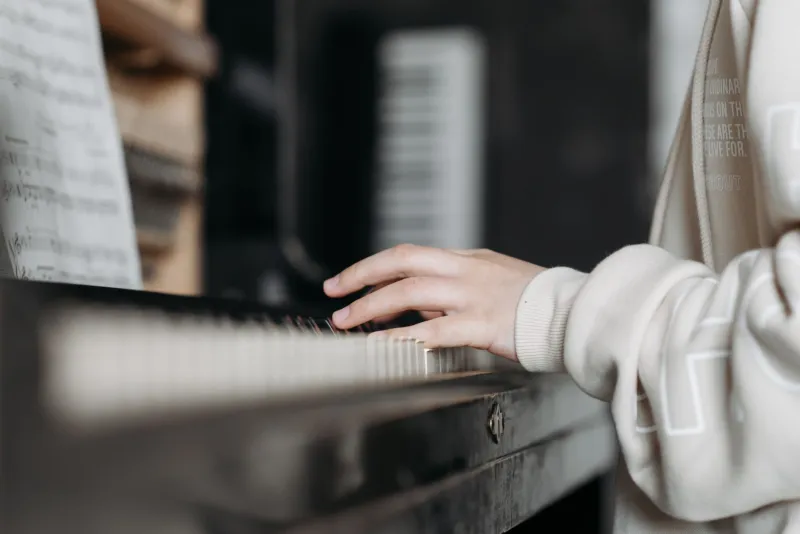
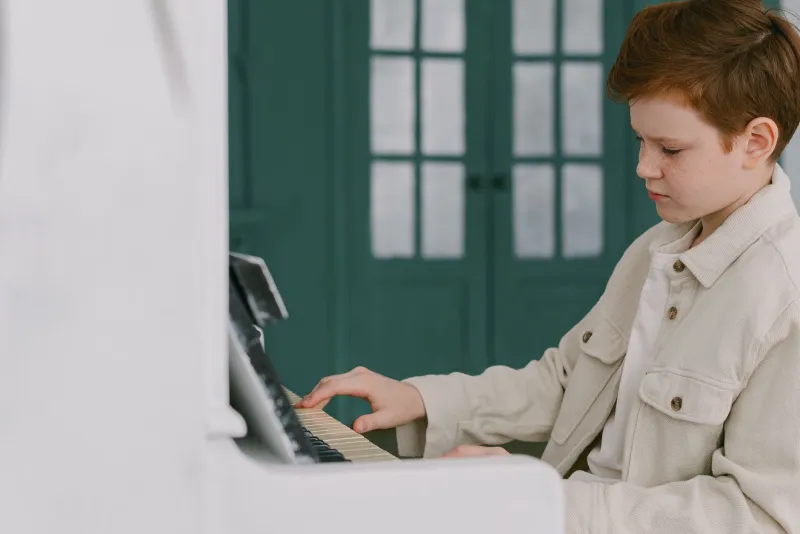
There's a moment every music parent has witnessed. Your kid is practicing, metronome ticking away like a tiny robot supervisor, and everything sounds... technically correct. The notes are right. The timing checks out. But somehow, it doesn't quite feel like music. It feels like a machine reading a recipe.
That gap — between mechanical accuracy and genuine musical feel — is one of the most interesting puzzles in music education. And it turns out, the solution isn't more metronome time. It's something a little harder to measure, and a whole lot more rewarding to develop.
What the Metronome Gets Right (and What It Misses)
Let's be fair to the metronome. It's not the villain here. For beginning students, having a consistent external pulse is genuinely useful. It keeps practice honest, exposes rushing and dragging, and gives teachers a shared reference point. No serious music educator is throwing the metronome out the window.
But here's the thing: a metronome is a tool, not a destination. When students become dependent on that external click to stay in time, something important hasn't happened yet. They haven't internalized the beat — meaning they haven't built a reliable, flexible sense of pulse that lives inside them rather than outside them.
Instructors at Katy Music Lessons often describe this as the difference between following a GPS everywhere versus actually knowing your neighborhood. The GPS gets you there, sure. But if it loses signal, you're lost. Internal rhythm is the mental map that keeps you oriented no matter what.
What "Feeling" the Beat Actually Means
When music educators talk about internalizing tempo, they're referring to something genuinely physical. Rhythm isn't just an auditory experience — it's felt in the body. Think about how naturally people tap their feet, nod their heads, or sway when a song moves them. That's not a conscious decision. It's the nervous system responding to pulse.
For young students, developing this embodied sense of rhythm means learning to anchor tempo in their own movement and breath, not just their ears. It's why so many music teachers incorporate body percussion, movement exercises, and even walking to a beat before a student ever touches an instrument.
Research in music cognition backs this up. Studies have shown that humans process rhythm partly through motor systems — the same brain regions involved in physical movement. When kids clap, stomp, or conduct along to music, they're not just being silly. They're building the neural pathways that will eventually let them own a tempo from the inside out.
How Katy Instructors Bridge the Gap
So how do you actually get a kid from "staring at the metronome" to "feeling it in their bones"? The instructors here in Katy use a handful of approaches that might surprise you.
Singing before playing. Many teachers start new rhythmic concepts by having students sing or chant the pattern before they try to play it. When the rhythm lives in your voice first, it becomes part of your body's memory in a way that reading notation alone never quite achieves.
Turning the metronome off — strategically. This sounds counterintuitive, but experienced instructors will deliberately remove the metronome for short practice segments and ask students to maintain the tempo themselves. Then they'll turn it back on to check in. The gaps between clicks are where internal rhythm actually gets built.
Moving while playing. Whether it's tapping a foot, swaying slightly, or conducting with a free hand, physical movement while playing reinforces the connection between the body and the beat. It's not a distraction — it's actually part of the process.
Ensemble playing. Playing with other people is one of the fastest ways to develop internal timing. When your rhythm has to lock in with another human being — not a machine — you learn to listen differently. The slight, organic variations in a live ensemble teach flexibility and responsiveness that a metronome simply can't replicate.
Why This Matters Way Beyond Music
Here's where things get genuinely interesting for parents who are wondering whether all of this is worth the investment.
The ability to internalize rhythm — to carry a steady, adaptable sense of timing from within — turns out to be connected to a surprising range of skills. Language processing, reading fluency, attention regulation, and even emotional self-control have all been linked in research to rhythmic ability. Children with strong internal timing tend to be better at sequencing tasks, following multi-step instructions, and managing transitions.
In other words, when your child learns to feel a tempo rather than just follow one, they're also practicing the kind of self-regulation and internal organization that shows up in classrooms, on sports fields, and in everyday social interactions.
One Katy mom described it this way: "My son used to need constant reminders to pace himself — with homework, with chores, with everything. After about a year of lessons focused on this kind of rhythmic awareness, something shifted. He started managing his own time better. I don't think that's a coincidence."
Signs Your Child Is Building Real Internal Rhythm
It can be hard to know whether your child is developing genuine rhythmic instinct or just getting better at watching a blinking light. Here are a few things to look for:
- They can start a piece at a consistent tempo without a prompt. They don't need the metronome to get going — they find the beat themselves.
- Their timing stays stable when they're challenged. Hard passages sometimes cause students to rush or drag. A child with strong internal rhythm recovers quickly and naturally.
- They notice when something is "off" in music they're listening to. This ear for pulse — being able to feel a tempo and recognize when it wavers — is a sign that rhythm has moved from an external rule to an internal sense.
- They move naturally while playing. Not dramatically, but there's a physical ease and connectedness that wasn't there before.
A Note for Parents Who Are Watching the Clock
Developing internal rhythm takes time. It's not something that clicks after a single lesson or even a single semester. It's more like learning to balance on a bike — there's a period of wobbling and relying on training wheels, and then one day it just happens and you wonder how it was ever hard.
The best thing you can do at home is create an environment where rhythm is present and natural. Play music in the house. Dance in the kitchen. Tap on the steering wheel. Let your child hear and feel a wide variety of tempos and grooves without making it a lesson. The more rhythm is woven into daily life, the more material their developing internal clock has to work with.
At Katy Music Lessons, the goal has never been to produce little metronomes in human form. It's to help every student find the pulse that lives inside them — one that's flexible, expressive, and entirely their own. Because that's where music actually starts.